
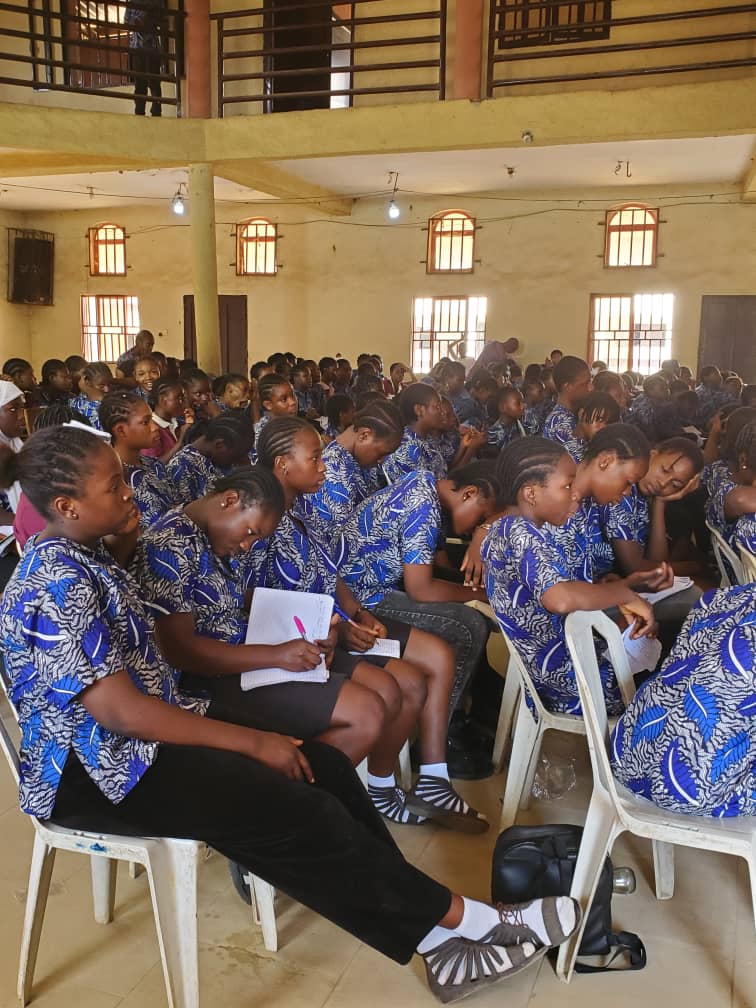
October 11th marks the International Day of the Girl Child, a day dedicated to advocating for girls’ rights and highlighting the unique challenges they face worldwide. Since its inception in 2012 by the United Nations General Assembly, this day has been a global platform to amplify young girls’ voices and recognize their immense potential. The observance emphasizes the importance of empowering girls and ensuring they have access to education, healthcare, and opportunities that enable them to grow into independent, empowered women who can contribute to society.
The Importance of the International Day of the Girl Child
Girls worldwide face various barriers that hinder their ability to achieve their full potential. Gender inequality, cultural norms, early marriage, and lack of access to education are some of the persistent challenges they confront. The International Day of the Girl Child calls attention to these issues and seeks to mobilize support for girls’ fundamental rights. The day also aligns with the United Nations’ Sustainable Development Goals (SDGs), particularly SDG 5, which aims to achieve gender equality and empower all women and girls.
The significance of this day extends beyond awareness; it serves as a reminder that girls have the right to a life free from discrimination, violence, and harmful practices. Empowering girls leads to stronger communities and a more equitable society, with girls serving as agents of change for their families and nations.
Challenges Faced by Girls
Globally, girls continue to face an array of challenges that limit their opportunities:
1. Education: Despite progress in the last few decades, millions of girls around the world are still denied access to quality education. According to UNESCO, about 130 million girls between the ages of 6 and 17 are out of school, with sub-Saharan Africa, South Asia, and conflict-affected regions being the hardest hit. Poverty, cultural norms, child labor, and inadequate school infrastructure are common barriers preventing girls from attending school. Furthermore, gender-based violence, including harassment in schools, can deter girls from pursuing an education.
2. Child Marriage: Early and forced marriage continues to be a significant issue for girls, particularly in parts of Africa, South Asia, and the Middle East. According to UNICEF, 12 million girls are married before the age of 18 each year. Child marriage not only violates a girl’s right to choose her future but also exposes her to health risks such as early pregnancy, which often leads to complications. It also truncates their educational and professional opportunities, trapping them in cycles of poverty.
3. Healthcare: Girls, especially those in low-income countries, face challenges in accessing adequate healthcare services. Adolescent girls often lack sexual and reproductive health education, which increases their vulnerability to early pregnancies and sexually transmitted infections. In some regions, practices like female genital mutilation (FGM) continue to threaten the health and well-being of girls.
4. Gender-based Violence: Violence against girls remains prevalent across the globe, whether in the form of domestic violence, trafficking, or exploitation. Gender-based violence disproportionately affects girls, not only harming their physical and emotional well-being but also limiting their potential to thrive. In conflict zones, girls are particularly vulnerable to sexual violence and exploitation.
5. Digital Exclusion: In the increasingly digital world, the digital gender gap is widening. While technology offers numerous opportunities for education, entrepreneurship, and personal growth, girls are often left behind in accessing these resources. According to Plan International, 25% fewer girls than boys have access to the internet, which limits their ability to participate in the digital economy and gain important skills for the future.
The Role of Education in Empowering Girls
Education is one of the most powerful tools in transforming the lives of girls. When girls are educated, they gain the knowledge, confidence, and skills needed to succeed in life. An educated girl is more likely to delay marriage, have fewer and healthier children, and contribute positively to her community and country’s economy. Research shows that educating girls can reduce child marriage rates, improve maternal health, and decrease infant mortality.
Beyond basic literacy, education for girls must also focus on life skills, digital literacy, and financial literacy. By providing girls with these skills, we can better prepare them for the demands of the modern world, where digital skills are critical for career success.
Empowering Girls: Success Stories and Initiatives
There are countless examples of organizations and initiatives working tirelessly to empower girls and improve their access to opportunities. Programs that focus on keeping girls in school, providing scholarships, and creating safe learning environments have had profound impacts.
– Malala Fund: Led by Nobel laureate Malala Yousafzai, the Malala Fund advocates for girls’ education worldwide. After surviving an assassination attempt to speak out about girls’ education in Pakistan, Malala has become a global advocate for ensuring that every girl has access to 12 years of free, safe, and quality education.
– Plan International’s “Because I Am a Girl” Campaign: This global initiative is aimed at tackling the barriers that prevent girls from reaching their full potential. By addressing issues such as child marriage, education, and gender-based violence, the campaign seeks to break the cycle of poverty and gender inequality that holds girls back.
– Girls Who Code: To bridge the gender gap in technology, Girls Who Code provides education and opportunities for girls interested in computer science. The organization is creating a new generation of female leaders in tech, giving girls the skills they need to thrive in an industry that has traditionally been male-dominated.
How We Can Support Girls
Supporting girls requires a multi-faceted approach. Governments, organizations, and individuals all play crucial roles in creating a world where girls can thrive. Here are some steps we can take to support the cause:
1. Advocacy: Amplifying the voices of girls and advocating for policies that promote their rights is key. Governments must invest in education, healthcare, and social protection programs that specifically target the needs of girls.
2. Education: Supporting initiatives that provide education and scholarships for girls can help break down the barriers they face. Investing in school infrastructure, training teachers, and creating safe spaces for girls to learn are essential steps in promoting education for all.
3. Ending Harmful Practices: Governments and organizations must work together to eliminate child marriage, FGM, and other harmful practices that endanger girls’ health and well-being. Enforcing laws that protect girls and raising awareness in communities are critical to achieving this goal.
4. Mentorship and Leadership: Empowering girls to take on leadership roles in their communities and beyond is crucial for their personal growth. Mentorship programs that connect girls with female role models can provide them with guidance, support, and inspiration.
Takeaway
The International Day of the Girl Child is more than just a day of recognition—it is a movement toward achieving gender equality and empowering the next generation of female leaders. By providing girls with the education, opportunities, and support they need, we can create a world where every girl can realize her full potential. Investing in girls is not just a moral imperative; it is an investment in a better, more just future for all. Let us continue to support and uplift girls, breaking down barriers and building a world where they can thrive.
This year’s celebration of the International Day of the Girl Child should inspire us all to take action, whether through advocacy, education, or support for local and global initiatives. Every girl has the right to live a life free of discrimination and violence, and it is our collective responsibility to ensure that these rights are protected and upheld.